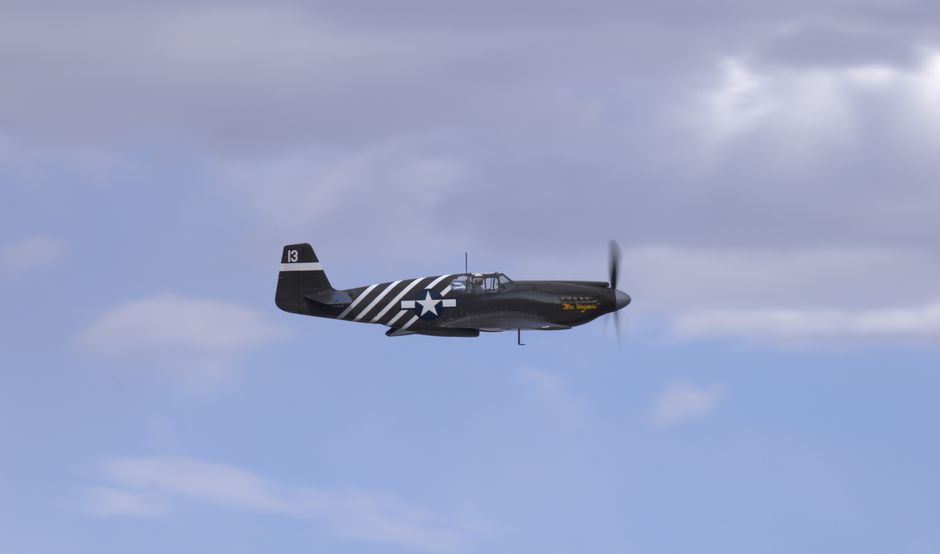
The world of aviation is often romanticized, filled with tales of daring pilots, breathtaking landscapes, and the thrill of flight. Among the many facets of aviation, the experience of flight itself stands out as a unique adventure, one that is shaped by various factors including weather conditions, aircraft type, and the skill of the pilot. “Flight Legends: The Thrill of the Chase – Every Flight is Unique” delves into the intricate tapestry of experiences that define each flight and the stories that emerge from the skies.
The Essence of Flight
At its core, flight represents freedom and exploration. The act of taking to the skies offers a perspective unlike any other, transforming the mundane into the extraordinary. Pilots often describe the moment of takeoff as a blend of exhilaration and serenity, a feeling that is difficult to encapsulate in words. Each flight is not just a means of transportation; it is a journey filled with anticipation, challenges, and the unexpected.
Factors Influencing Flight Experiences
- Weather Conditions: One of the most significant factors that shape a flight is the weather. From clear blue skies to turbulent storms, weather can dramatically alter the flight experience. Pilots must constantly monitor weather patterns, as changes can occur rapidly. A sunny day can quickly turn into a stormy night, presenting challenges that require skill and adaptability.
- Aircraft Type: The type of aircraft also plays a crucial role in the flight experience. Different planes have varying capabilities, speeds, and handling characteristics. For instance, flying a small single-engine plane offers a more intimate connection with the environment, allowing pilots to feel every nuance of the aircraft. In contrast, flying a large commercial airliner demands a different set of skills and presents unique challenges, such as managing a larger passenger load and navigating complex air traffic control systems.
- Pilot Skill and Experience: The pilot’s experience and skill level can significantly influence the outcome of a flight. Veteran pilots often have a wealth of knowledge gained from years of flying in diverse conditions. Their ability to make quick decisions and adapt to changing circumstances can mean the difference between a routine flight and a thrilling adventure. New pilots, while eager and enthusiastic, may face steep learning curves as they navigate the complexities of flight.
The Thrill of the Chase
The thrill of the chase in aviation can refer to various aspects, from the pursuit of personal excellence in flying to the excitement of chasing down the perfect weather for an ideal flight. For many pilots, the chase involves seeking out new destinations, exploring uncharted territories, and pushing the limits of their flying skills.
Personal Excellence
For pilots, personal excellence is often a lifelong pursuit. Each flight presents an opportunity to refine skills, learn new techniques, and overcome challenges. The thrill lies not only in the act of flying but also in the continuous improvement and mastery of the craft. This journey of self-discovery can lead to profound experiences, as pilots confront their fears, embrace challenges, and celebrate their achievements.
Chasing the Perfect Flight
Many pilots are driven by the desire to experience the perfect flight. This quest often involves meticulous planning, from selecting the ideal route to ensuring optimal weather conditions. The anticipation builds as pilots prepare for takeoff, knowing that each flight is a unique blend of variables that can lead to extraordinary moments. The thrill of chasing the perfect flight can result in breathtaking views, smooth landings, and unforgettable memories.
Unique Stories from the Skies
Every flight carries with it a story, a narrative woven from the experiences of the pilot, the passengers, and the environment. These stories can range from the mundane to the extraordinary, each contributing to the rich tapestry of aviation history.
- The Unexpected Emergency: One of the most gripping tales in aviation is that of the unexpected emergency. Pilots often train extensively for emergencies, but when they occur, the adrenaline rush is undeniable. A malfunctioning engine, sudden weather changes, or medical emergencies onboard can turn a routine flight into a high-stakes situation. The ability to remain calm under pressure and make quick decisions is what defines a skilled pilot.
- Scenic Journeys: Many pilots recount flights that took them over stunning landscapes, from majestic mountains to sprawling coastlines. The thrill of witnessing the world from above is a powerful motivator for many aviators. These scenic journeys not only provide breathtaking views but also foster a deep appreciation for the beauty of nature.
- Connecting with Passengers: For commercial pilots, the experience is often enriched by the interactions with passengers. Each flight is an opportunity to connect with people from diverse backgrounds, sharing stories and creating memories together. The camaraderie that develops in the cockpit and among the crew adds another layer of uniqueness to the flying experience.
Conclusion
“Flight Legends: The Thrill of the Chase – Every Flight is Unique” encapsulates the essence of aviation as a dynamic and multifaceted experience. From the thrill of takeoff to the challenges of navigating the skies, every flight tells a story that is shaped by weather, aircraft, and the skill of the pilot. The pursuit of personal excellence and the quest for the perfect flight add depth to the adventure, making each journey unforgettable. As pilots continue to chase their dreams in the skies, they contribute to the ever-evolving narrative of flight, reminding us all of the magic that exists above the clouds.
